Can we leave easily?
Parking, shade, toilets, food, and a clean exit matter more than perfect photos.
Family days in Mallorca, designed around real life
Clear beach picks, age-aware activities, lunch stops, heat-proof itineraries, and a Plan-maker that turns too many options into a day that actually works.
 East coast base
 Today looks good for
Beach, lunch, then shade Simple rhythm first. Big activity when the day deserves it.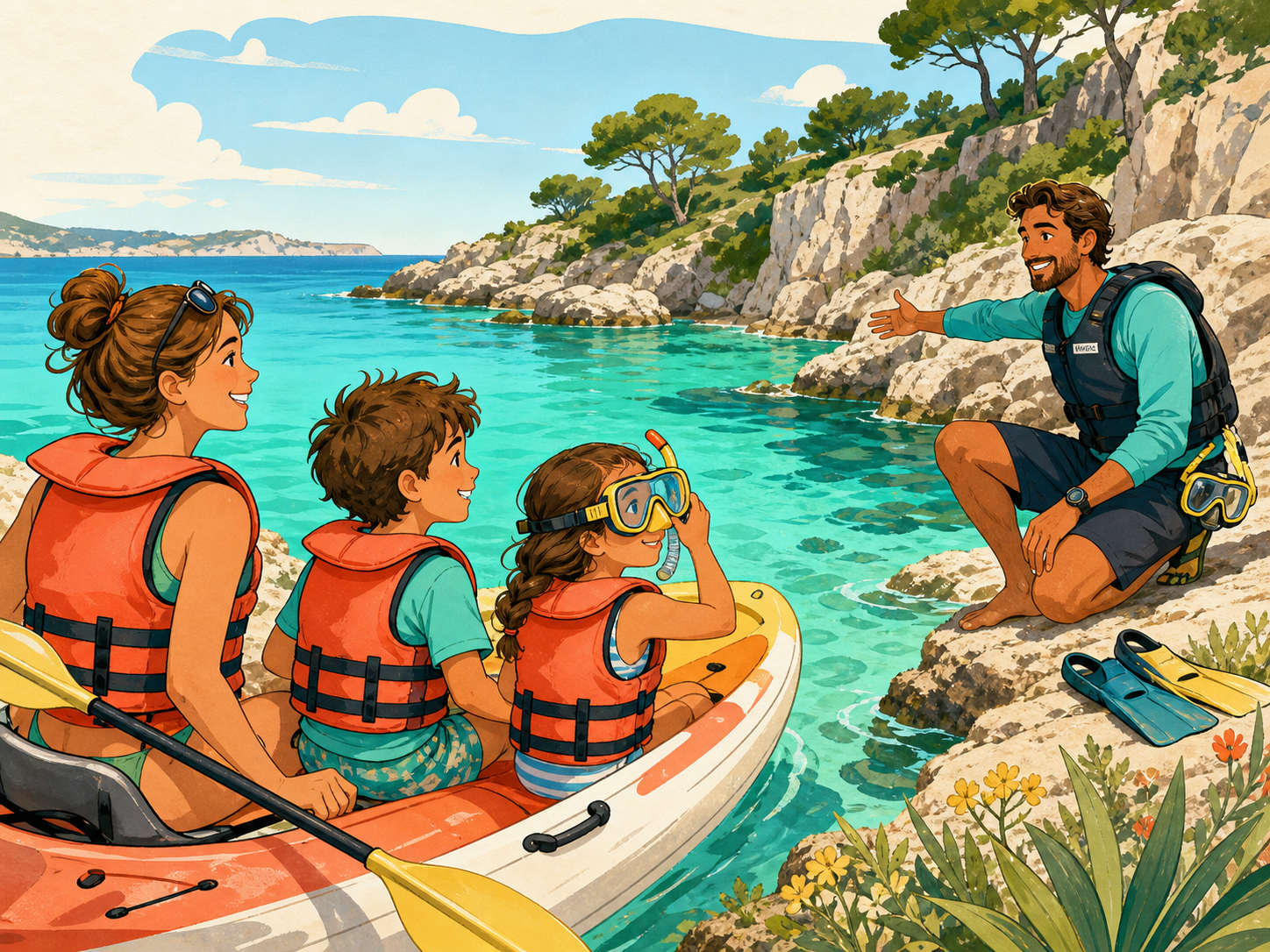
Not another generic island list
Parking, shade, toilets, food, and a clean exit matter more than perfect photos.
Toddlers need shallow and close. Older kids can handle caves, boats, snorkels, and more edge.
Book the few experiences that need gear, guides, timing, or sea-condition judgement.

Best first sea memory
The family sweet spot is clear water, a protected route, a guide who reads the sea, and enough structure that parents are not managing masks, rocks, wind, nerves, and tired children alone.
A better day shape
Choose shallow water, shade, and parking that will not punish you later.
Choose the caves, train, natural-park snorkel, boat, or city stop while everyone still has energy.
Keep the afternoon soft: market lunch, apartment break, pool, or siesta.
Short old-town walk, harbour dinner, ice cream, and an early exit.
Family activity matcher
Answer four quick questions and get a realistic family recommendation: easy beach rhythm, indoor fallback, classic Mallorca day, guided snorkel, or sea caves for confident older kids.
Start with these
A parent-friendly shortlist of the activities that reliably work in Mallorca, from calm-water adventures to easy cultural days.
A location-first guide to Mallorca beaches with shallow water, easy parking, facilities, and nearby family activities.
A realistic seven-day plan with beaches, rest time, water activities, Palma, caves, and low-stress family meals.
Family Mallorca questions
These are the decision points behind most family Mallorca trips: where to stay, what to book, what works by age, and when a guided sea activity is worth it.
North Mallorca is easiest for toddlers, east Mallorca is strongest for coves and guided water days, Palma works for short city stays, and Port de Soller is best for scenery.
Read the guidePick one headline activity per day: shallow beach, caves, train, Palma half-day, aquarium fallback, guided snorkel, or sea caves for confident older kids.
Read the guideChoose protected coves, clear water, easy exits, and local guidance when confidence or conditions matter. Snorkel is the easiest real sea memory for mixed ages.
Read the guideSea caves are best treated as an 8+ guided adventure for confident children. Younger or nervous swimmers usually fit snorkel better.
Read the guideYes, if you choose walkable bases, shallow beaches, shade, nearby food, and short drives. Platja de Muro, Alcudia, Cala Millor, and Palmanova are the safer first picks.
Read the guideDo the real plan early: beach, snorkel, caves, aquarium, or shaded market lunch. Protect the afternoon from long drives and over-planning.
Read the guidePlan around the youngest child first: babies need shade and short days, 5-7s can add snorkel and classics, and 8+ can handle bigger guided sea adventures.
Read the guideSwitch quickly: Caves of Drach, Palma Aquarium, the Soller train, markets, castles, or a compact Palma route usually beats fighting the sea.
Read the guideBook guided sea mornings, boat trips, caves, train seats, and popular beach restaurants first. Leave ordinary beach days flexible around weather and energy.
Read the guideYes, but only from the right bases: Palma, Port de Soller, Palmanova, Cala Millor, Alcudia, and Platja de Muro. Avoid remote villas without transport.
Read the guideTraffic-worthy planning hubs
North, east, southwest, Palma, south, and west Mallorca guides by family style.
Toddler beaches, rainy days, windy days, no-car trips, babies, and teenagers.
Alcudia vs Cala Millor, north vs east, hotel vs villa, and car vs no car.
Month-by-month family strategy for heat, crowds, sea conditions, and booking windows.
Choose by family stage
Toddlers need shade and short exits. Primary-school kids want wonder without exhaustion. Teenagers need more edge, more water, and less hand-holding.


